Originally from the arid regions of Central Asia, pistachios were already known in Sicily during Roman times. According to tradition, they were introduced to the island by the Roman general Lucius Vitellius around 30 AD, and Pliny the Elder described them in his Naturalis Historia as a prized food.
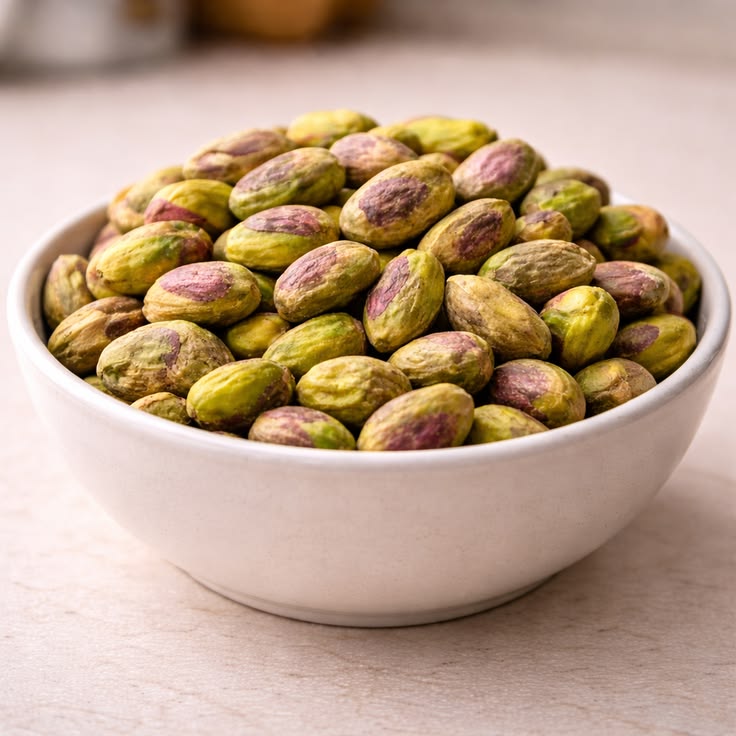
Today, Sicily is home to two important DOP pistachio productions: Pistacchio Verde di Bronte, on the slopes of Mount Etna, and Pistacchio di Raffadali, in the Agrigento area.
Part of their value comes from the plant’s natural rhythm: pistachio trees bear fruit every other year and grow very slowly. They may take around ten years after grafting to produce their first fruit, but can live for 200-300 years.
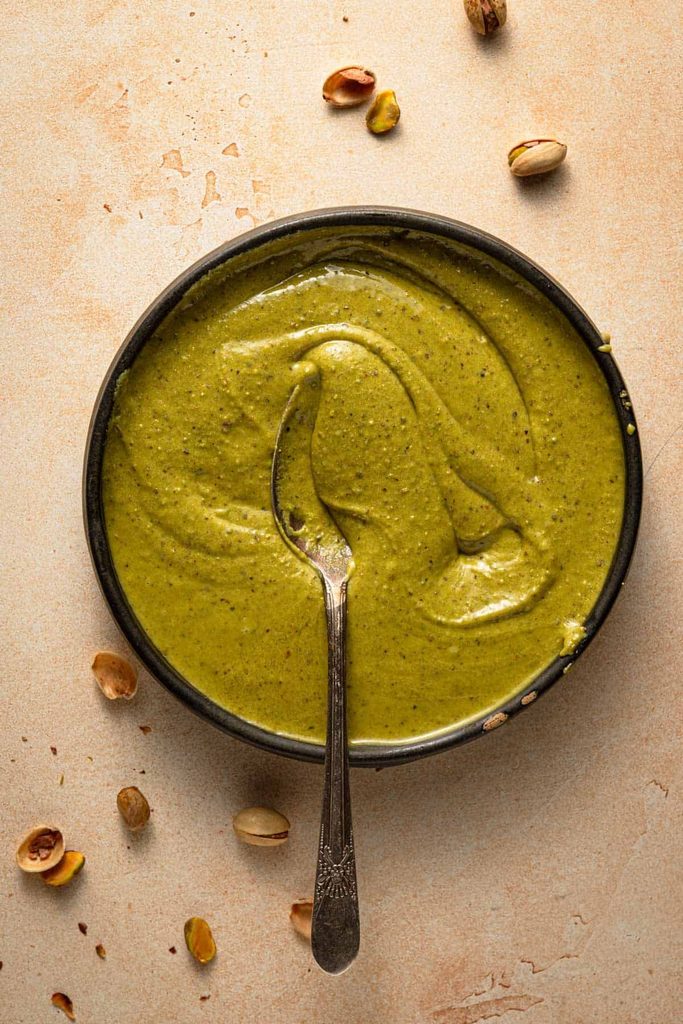
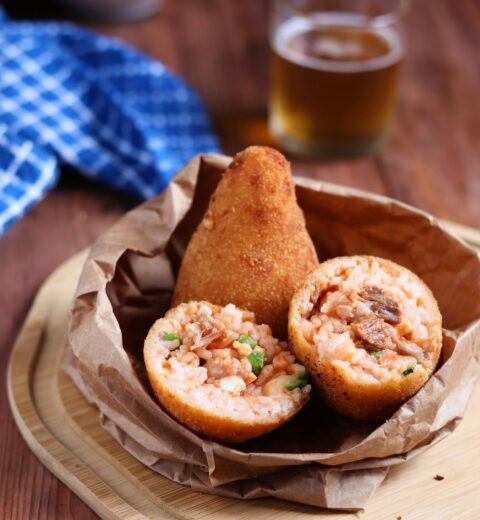
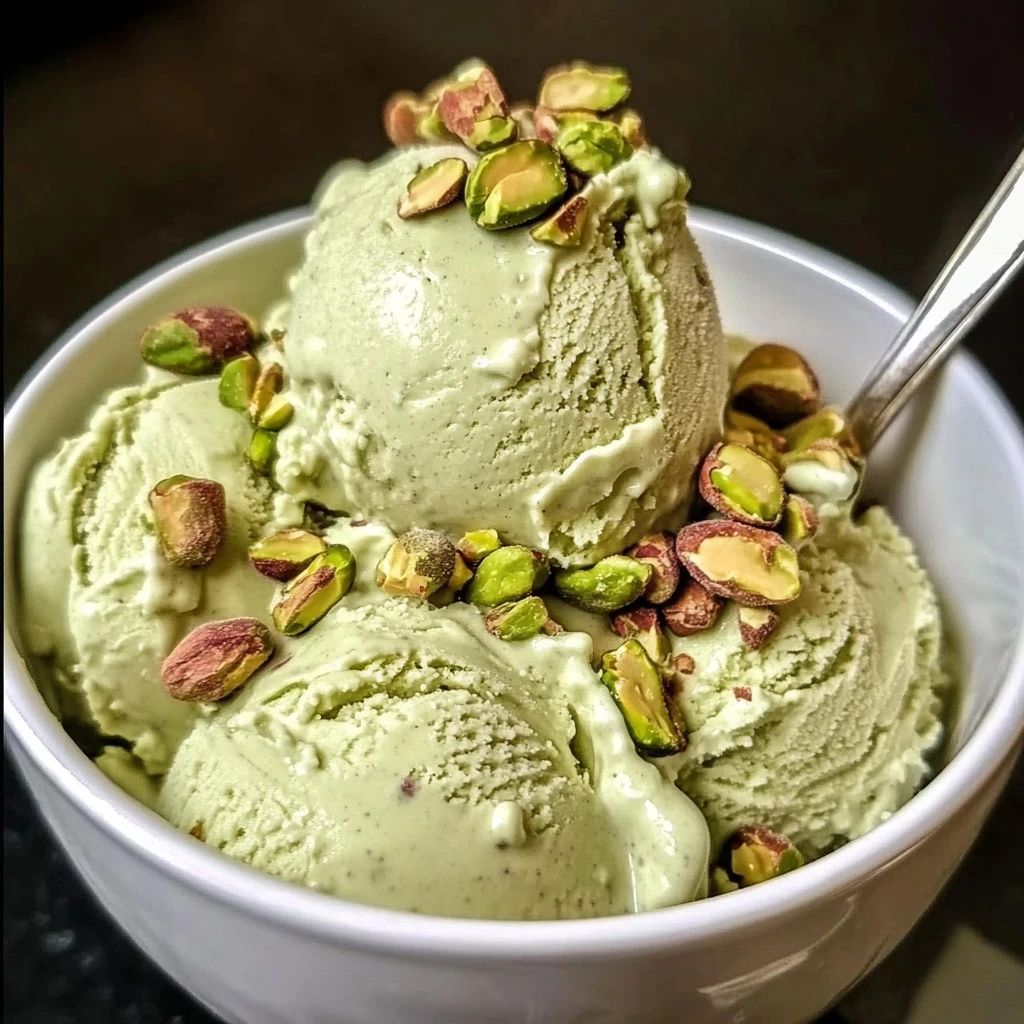
And then there’s the flavour: pistachio is now used in both sweet and savoury Sicilian cuisine — on pizza, in pasta, paired with prawns or pancetta, in arancini and, of course, in creams, gelato and desserts.
A little curiosity: authentic pistachio is not naturally bright green. A traditional pistachio gelato tends to have a very delicate, slightly brownish-green colour.
And it’s not only delicious: pistachios are also a source of protein, fibre, unsaturated fats, vitamin E and B6, as well as minerals such as magnesium, phosphorus and potassium.
An ancient, precious ingredient connected to Sicilian cuisine.